Violence that once occurred on the streets, in schools, or at home now follows us everywhere—through our mobile phones, laptops, and tablets. Anyone can send a message that contains some form of digital, gender-based violence.
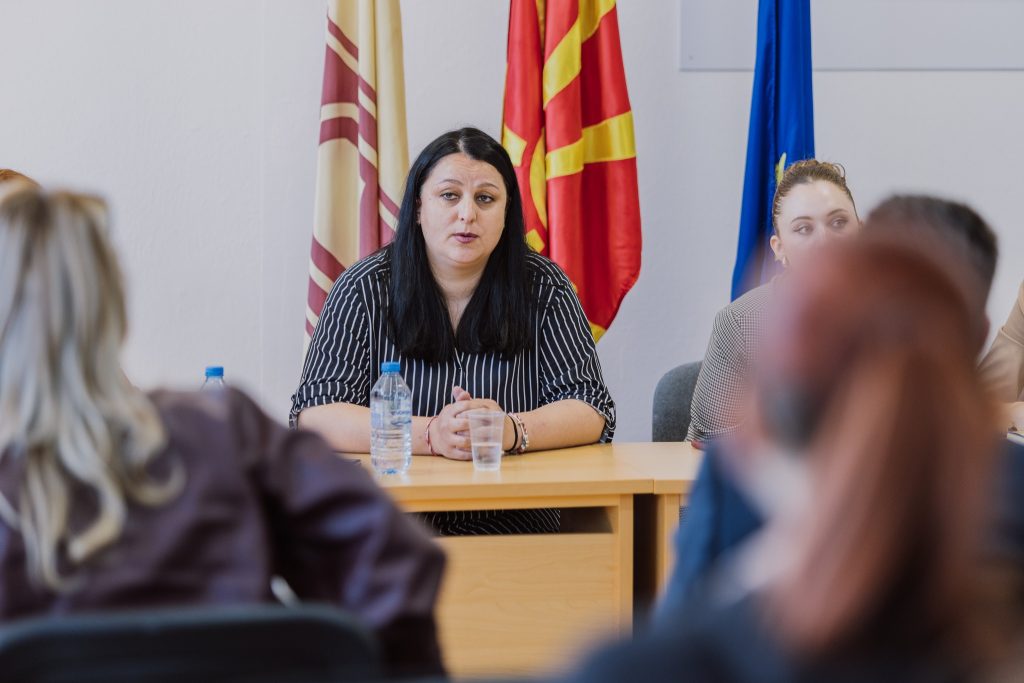
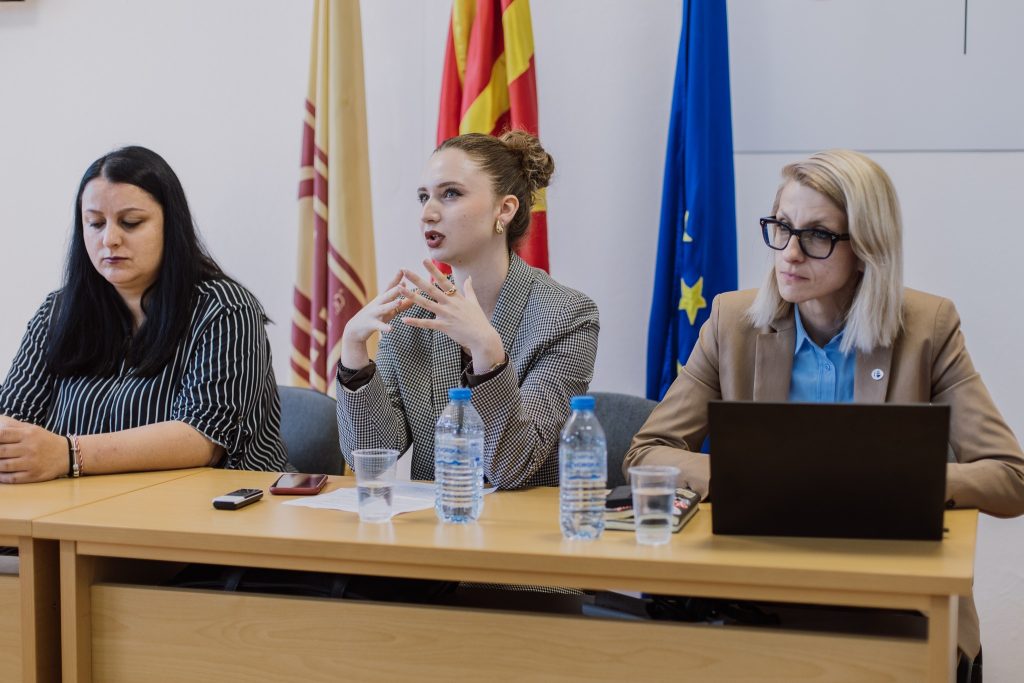
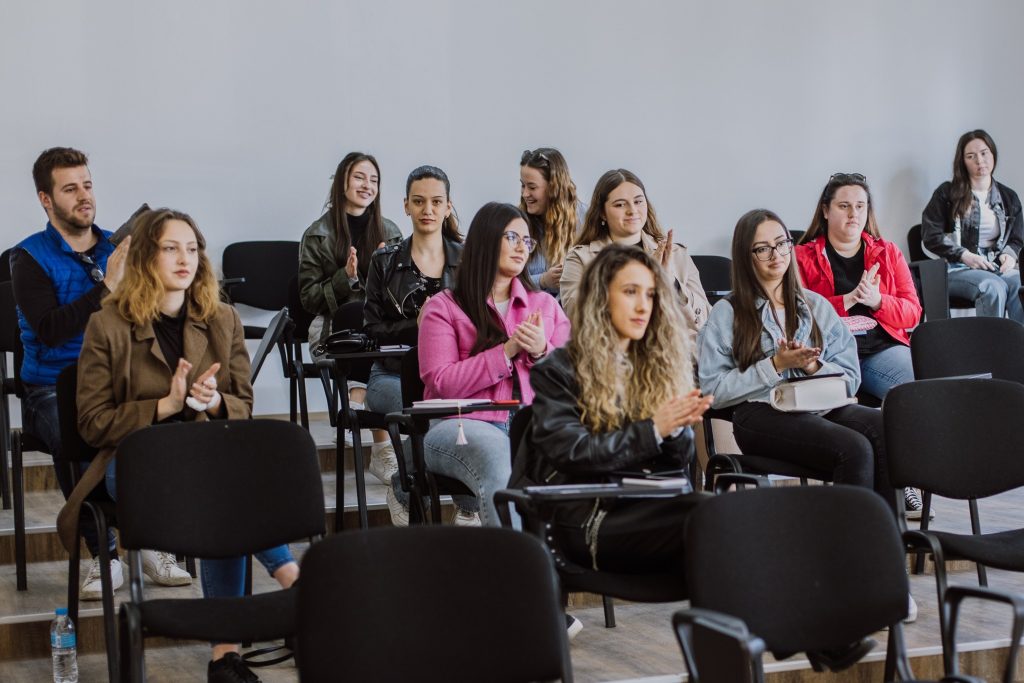
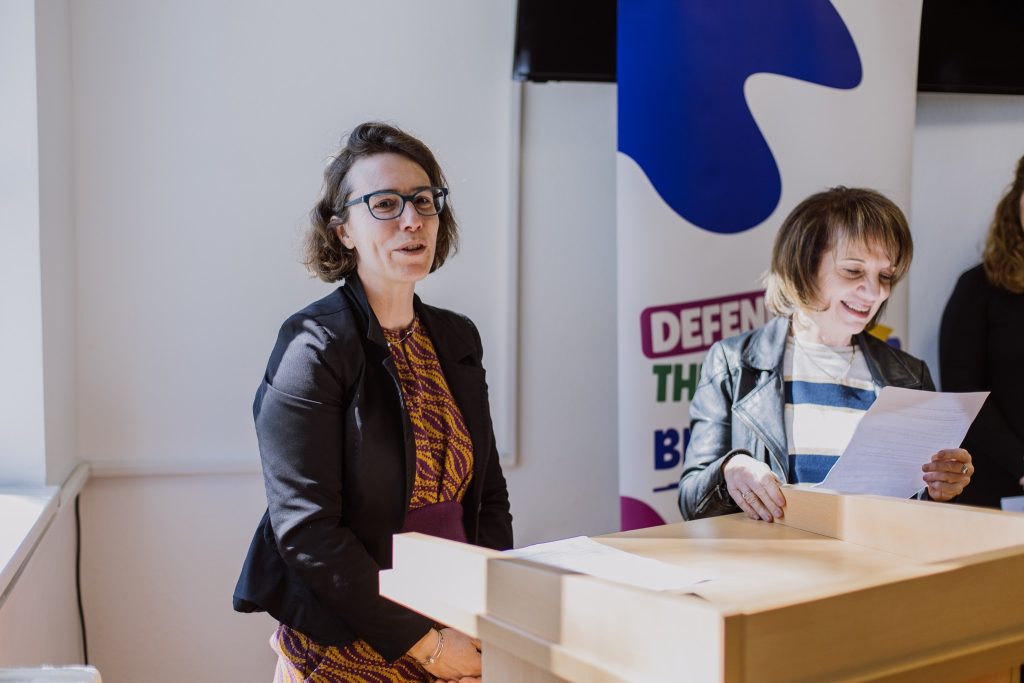
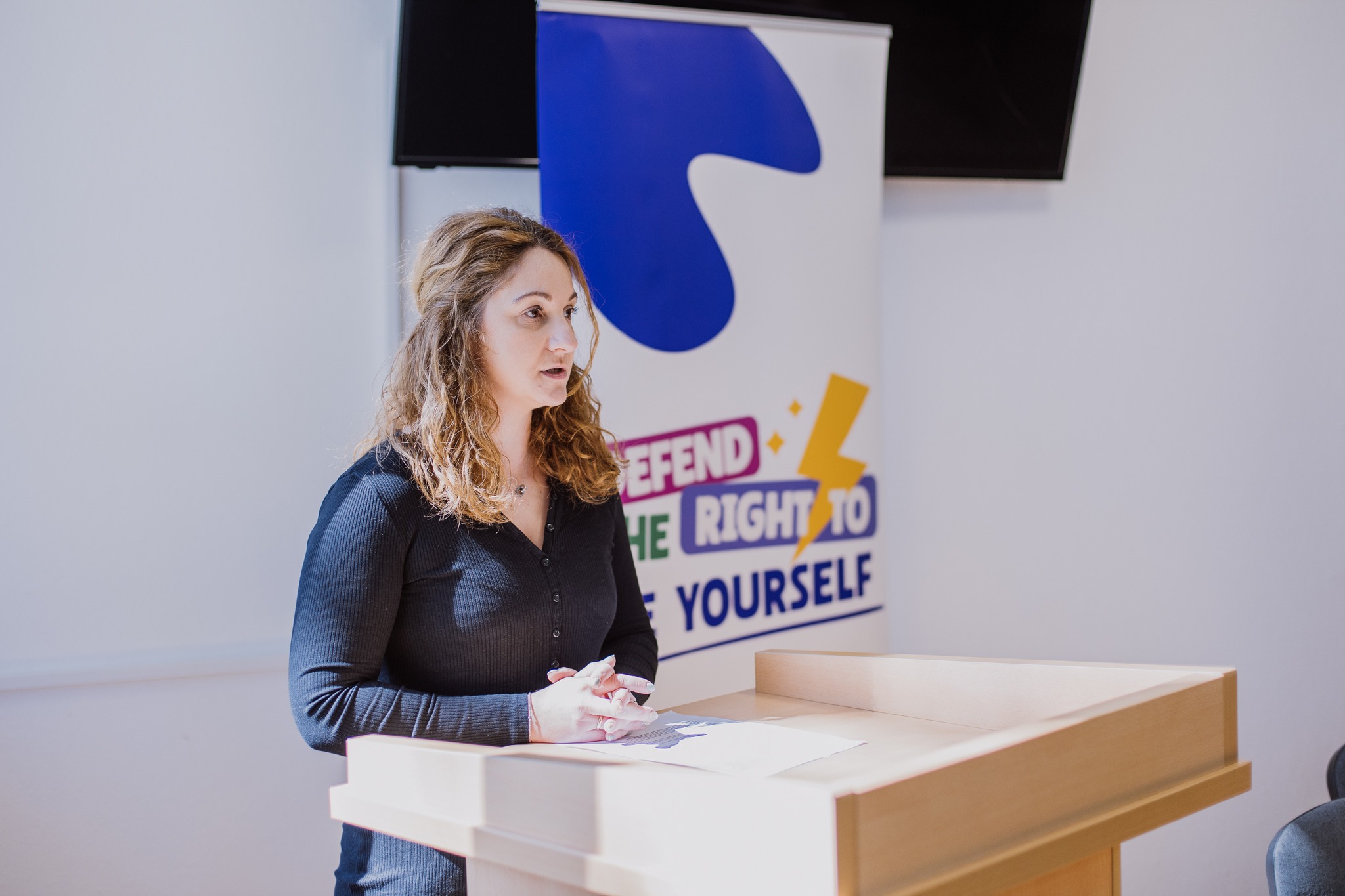
At the student conference “Digital Freedom and Gender Equality: Break the Chains of Online Violence,” held at the Faculty of Law in Bitola, we discussed gender-based violence in online spaces—forms that may be less visible, yet often have long-lasting psychological consequences for survivors, especially as the digital environment enables global sharing of abuse. The concept of gendered disinformation can also be understood as a manifestation of gender-based violence, as it involves the dissemination of false narratives, stereotypes, and biases that enable and facilitate the marginalization and discrimination of certain groups.
Within the conference, we also launched the Handbook for Addressing Gendered Disinformation and Gender-Based Violence in the Digital Space, authored by Professor Angelina Stanojoska.
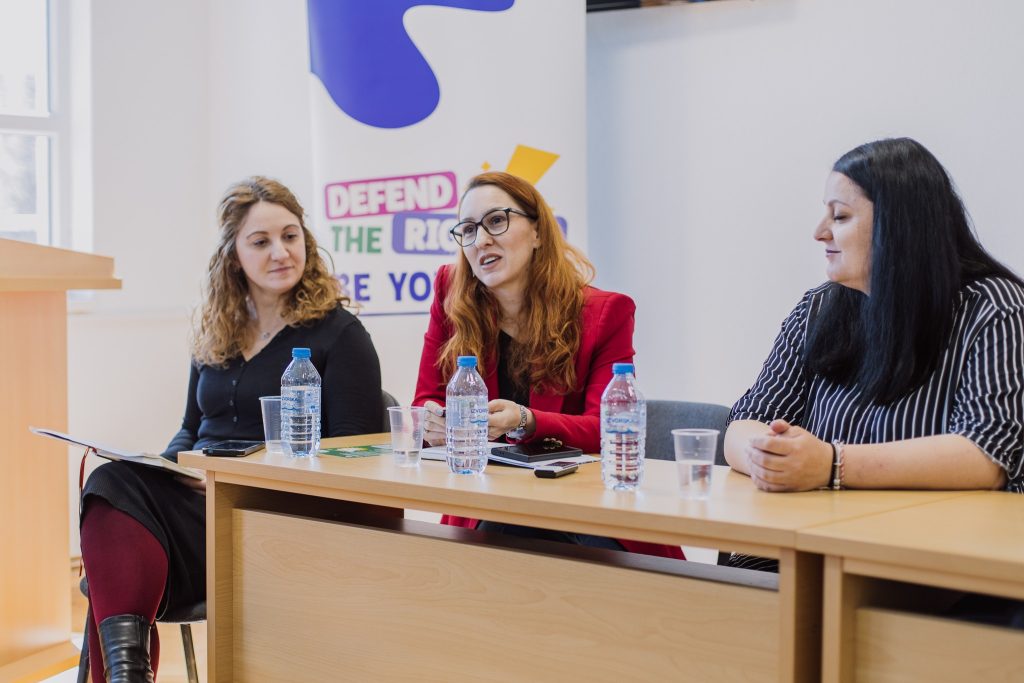
Our panelists—Professor Stanojoska; Project Coordinator Ljupka Trajanovska; psychologist and family counselor from the Women’s Support Center in Bitola, Nataša Bekirova; and UKLO student Zorica Stankovska—agreed that much more must be done to drive institutional change so this violence is taken seriously, survivors learn to recognize it, and the system protects and prevents it.
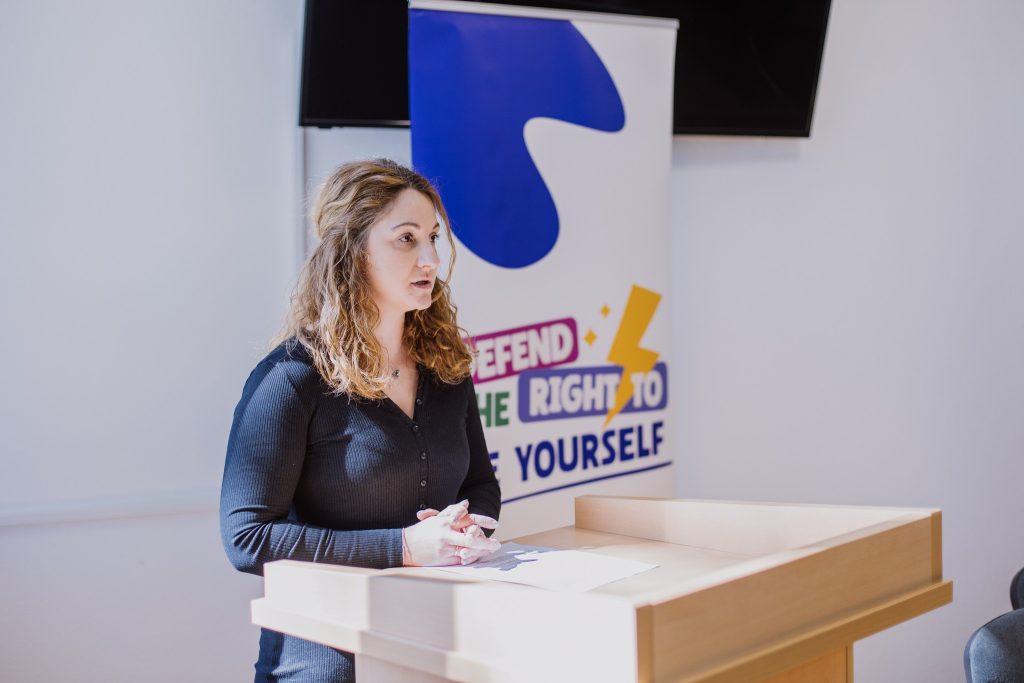
The conference was held within the regional project “Defend the right to be yourself,” with financial support from the French Ministry for Europe and Foreign Affairs in North Macedonia.